How Childhood Stress Shapes the Gut - and What we Can Do about it
(Epigenetics, ACEs, and the Brain-Gut-Spirit Axis)
ACE = Adverse Childhood Experiences and the Earth Element
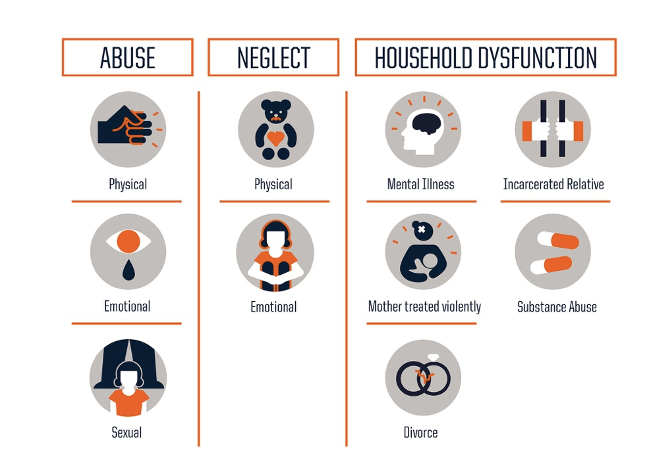
Things like emotional neglect, physical abuse, a parent with mental illness, or living in a home where there was violence or addiction. The original ACE study showed that the more of these experiences a child has, the more likely they are to face physical and mental health issues later in life.
In Chinese Medicine, our stomach and spleen are associated with the Earth Element, which aligns to the Exile in Internal Family Systems. Earth has to do with Will – and also the lived experiences of Trust and Worry. Household Dysfunction most certainly plays a key role in setting the stage for later distress.
Epigenetics = Environmental Influence on Gene Expression
Epigenetics is how your lived experience influences your DNA — turning genes on or off without changing the genetic code. Stress, love, food, breath, trauma, joy… all of it leaves a mark. These marks are often reversible, which is hopeful. But they matter.
What ACEs Do to the Body—Especially the Gut
A recent review titled “Epigenomics and the Brain-Gut Axis” broke this down beautifully. Stress in early life doesn't just “affect us psychologically.” It can reprogram our nervous system, immune system, gut function, and even the way our genes behave.
What actually changes? DNA methylation patterns shift — silencing or activating stress-related genes. In DNA, methylation can alter gene expression by either turning genes "on" or "off". This process is crucial for development, cell differentiation, and maintaining genome stability.
The HPA axis (your stress response loop) gets hardwired for overdrive.
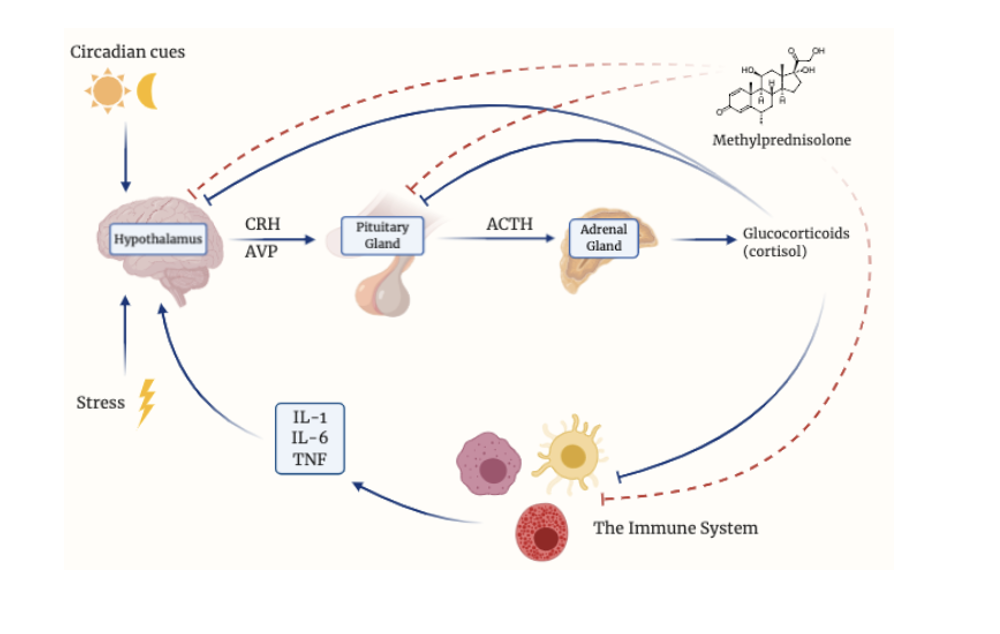
Note that the Hypothalamus is responding to Circadian Cues – that is goverened by our Pineal Gland and the experience of Deep Rest This has a downstream effect on our Master Gland, the Pituitary – and that, in turn aggravates the Adtrenal Glands.
The gut-brain axis is not just governed by the vagus nerve. It also includes the enteric nervous system, particularly the myenteric and submucosal plexuses, spinal afferent pathways, neuroendocrine signals fromenteroendocrine cells, immune system mediators like cytokines, and even gut microbiota metabolites such as short-chain fatty acids. These elements together create a rich bidirectional network of communication that shapes mood, digestion, and stress responses. Emotional states like anxiety, dissociation, or shutdown become somatically encoded.
In short, your body learns your early story, and it doesn’t forget easily.
In the Alchemy of Neuroaffective Somatics, the Lower Palace is the map of our Enteric Experience. The Oxherd and Ox are one way to visualize the Enteric experience. Imagine your inner oxherd as a representation of YOU, and the Ox as your Vagus Nerve. You can be kind to, support, and provide for the Ox, and at the end of the day- the Ox has a mind of its own.
Why the Gut?
Because the brain and gut are in constant conversation — via the Vagus nerve, immune signals, hormones, and yes, the microbiome itself. What happens in the gut doesn’t stay in the gut. It shapes mood, memory, perception, even your capacity to self-regulate.
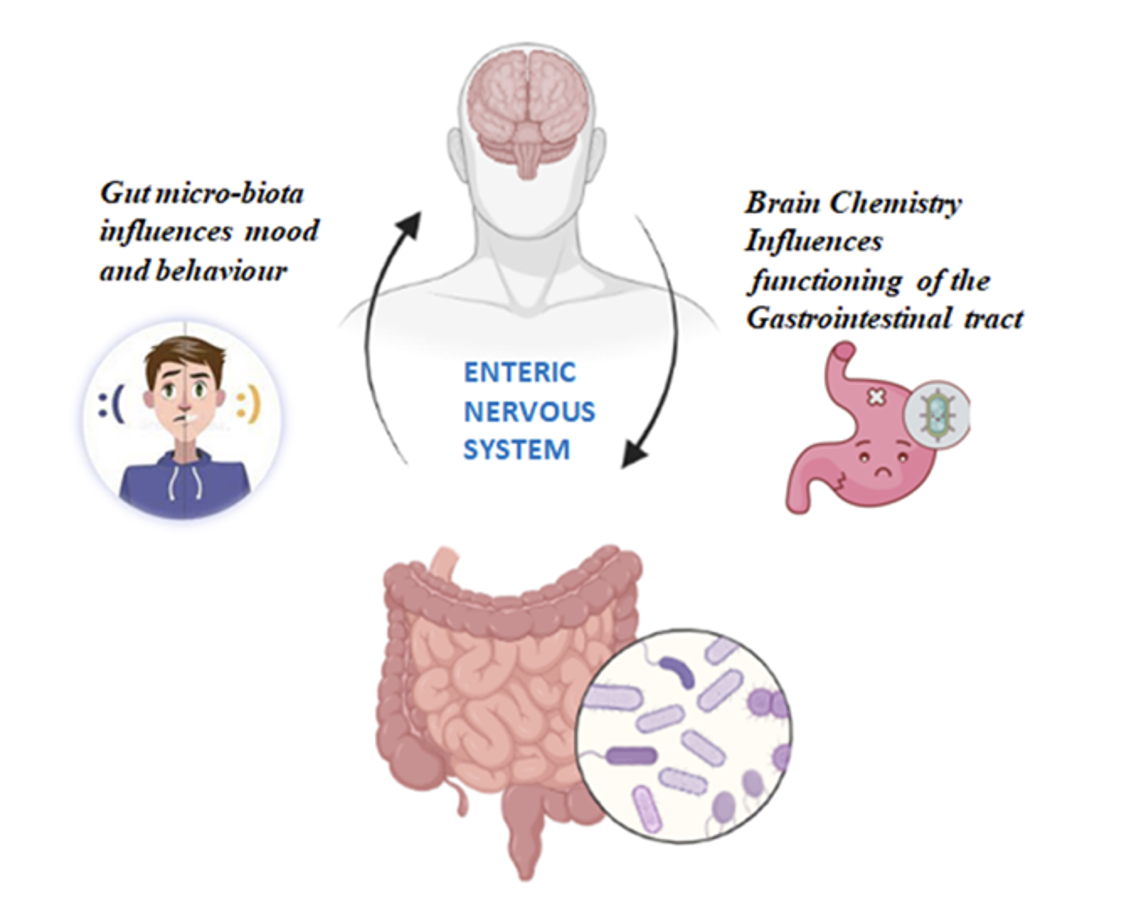
This is why so many of us with trauma histories struggle with:
IBS or chronic digestive issues
Sleep problems
Anxiety or dissociation
Sensory sensitivity
Food sensitivities
Emotional flashbacks that feel “bodiless” or untrackable
It’s not “just in your head.”
It’s stored in your tissue, your bacteria, your blood sugar rhythms, and even your cells’ epigenetic settings.
What Can We Do About It?
The body is plastic, recursive, and surprisingly poetic in how it can re-tune itself when given the right cues.
Some pathways for healing include:
Neuromodulation (Vagus nerve stimulation, acupuncture, TMS)
Trauma-informed Somatics and movement (qi gong, somatic yoga, neurotuning)
Somatic tracking with parts language (IFS or Neuroaffective Somatics)
And most importantly… compassionate relationship with your body
I designed Neuroaffective Somatics as a framework to create embodied context for these conversations. There’s also a Journal as a digital download.
A gentle map of your inner parts
Tools for listening to your body
Contemplations and exercises to begin restoring your somatic sense of self
One Last Thought:
Your symptoms aren’t just symptoms. They’re signals.
Your body isn’t betraying you. It’s carrying messages from earlier chapters.
And while those chapters shaped you, they do not get the final word.
Your fascia, your breath, your gut, your spirit — all still want to be in conversation.
Let’s help them remember how.
In Service,
Katie